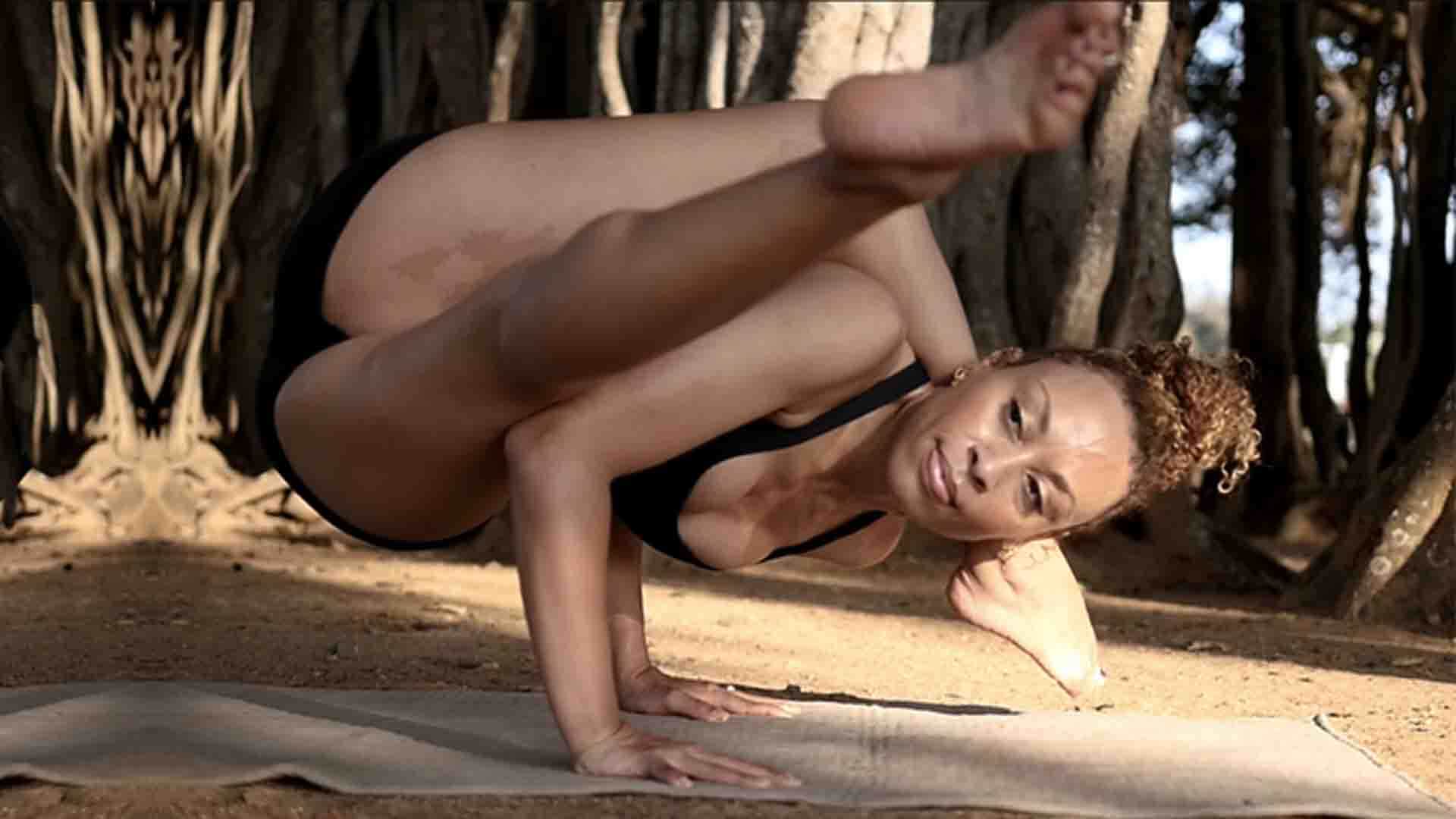
93-Year Old Woman Strikes Stunning Yoga Poses posted on May 16, 2012 
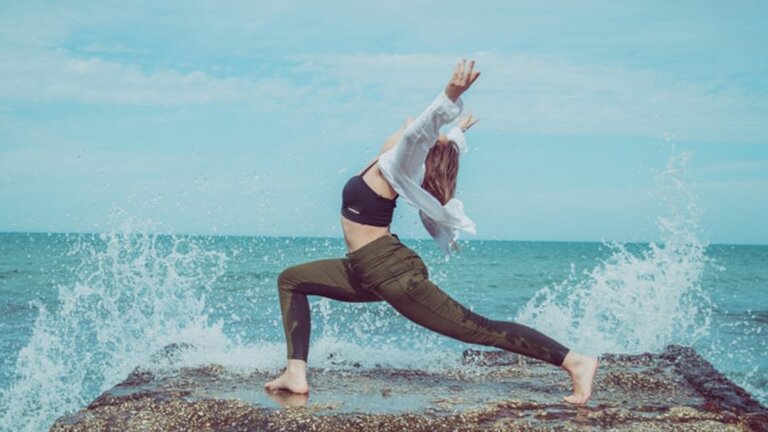
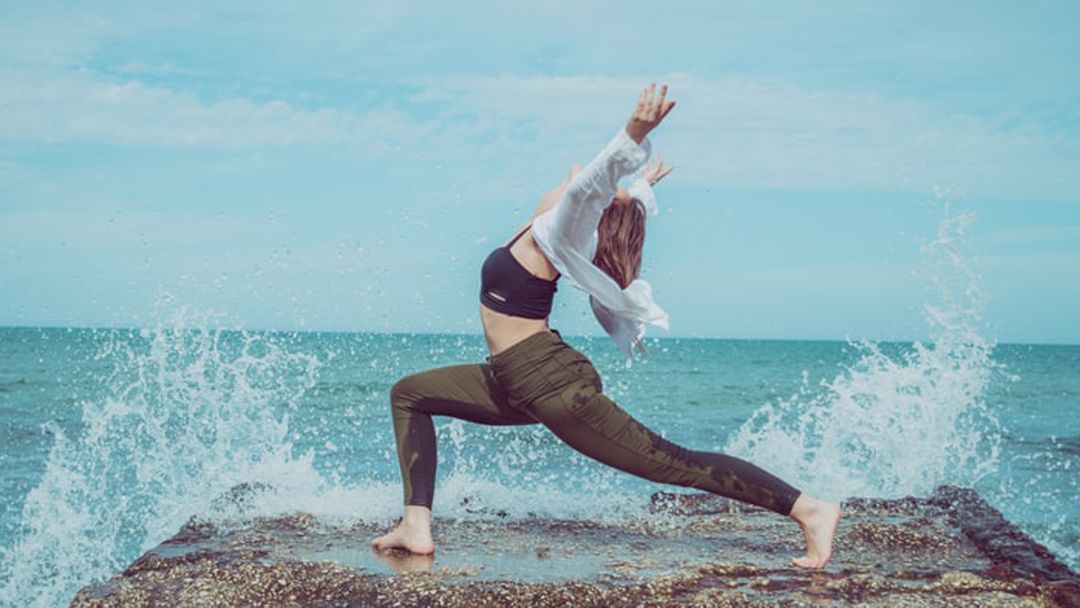
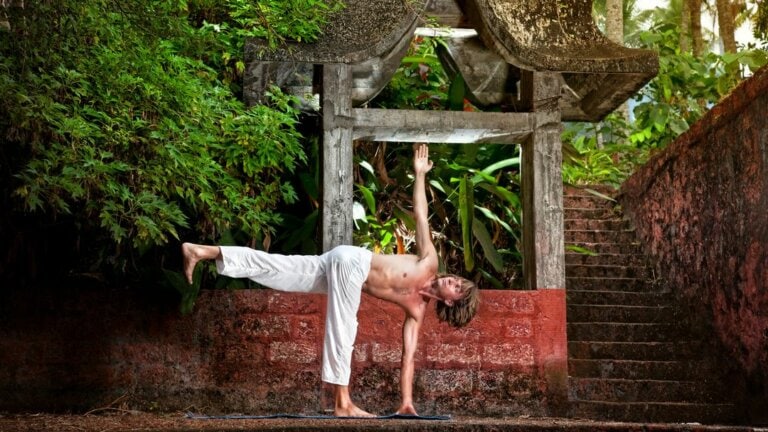
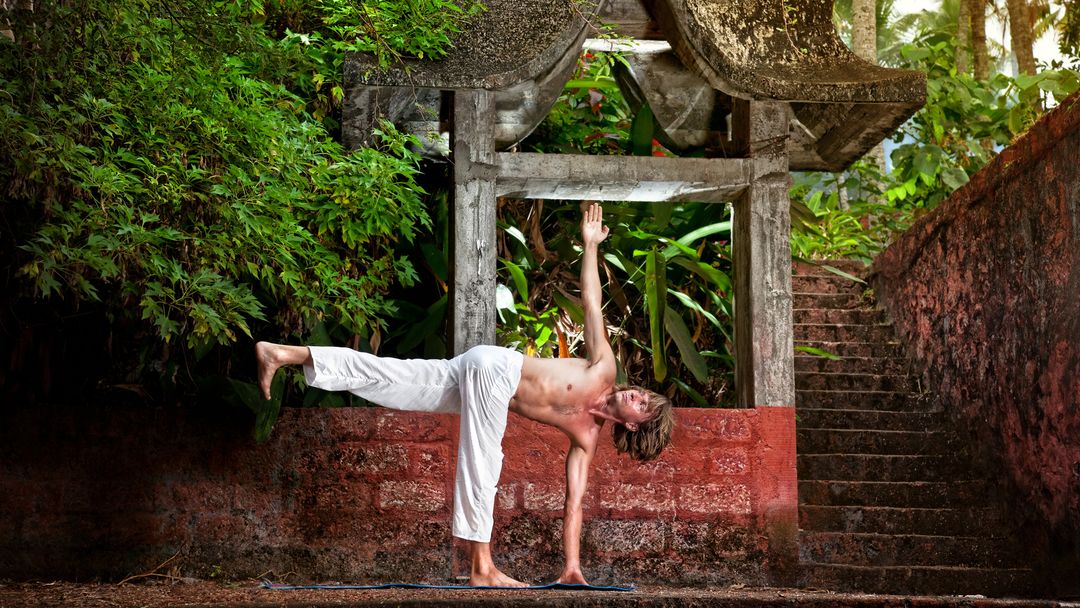
You may already know that yoga is an ancient physical and meditative practice that originated in India. But did you know that just like any other discipline, there are different types or schools of yoga being practiced today? Even though yoga is a 5,000-year-old practice, the first yoga classes in the West were only held in the mid 20th century. They became so popular that many different forms of yoga classes sprung up, each pertaining to a particular focus, theme, or intention. So before you head on over to your first yoga class, we suggest you read on to find out which specific type would help you achieve the physical and spiritual results you want. Here are the different types of yoga so you can choose which one would suit you best.
Hatha Yoga
Hatha means sun-moon. These yoga sequences focus on alignment and breathing, allowing life force (prana) to flow naturally in the body and invigorate poses (asana) in order to gently increase strength and range of movement. This slow paced stretching yoga comes with easy breathing exercises and often also seated meditation (and in the case of Sivananda Hatha, complete savasana between poses). Doing so develops a sense of both awareness and stillness in the mind. The asanas enhance the flow of prana in the body while promoting a state of active meditation for the mind. Hatha Yoga sessions strive for a balance between movement and stillness. It typically begins with a short relaxation period with some breathing exercises (pranayama) and deep relaxation towards the end.If you’re searching for relaxation techniques and basic yoga poses, or you’re still in the transition of getting comfortable with the idea of yoga, this is a great class to start with.
Core Power Yoga
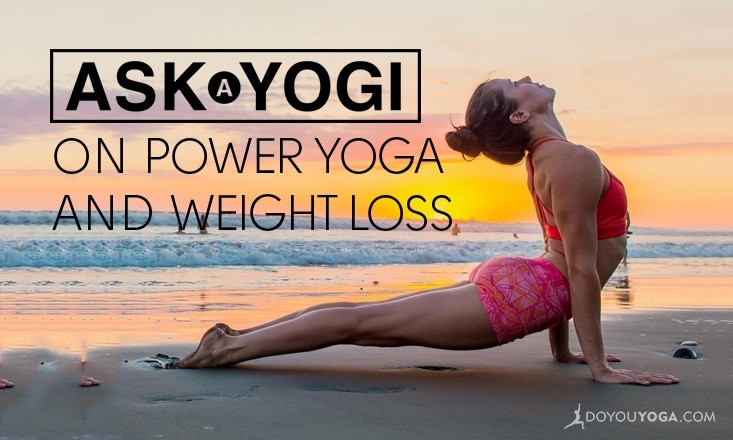
A complete body work out is what you’ll get with the series of exercises that come with Core Power Yoga. Belonging to a more advanced skill level in types of yoga, this exercise flows from one pose to another. Each pose blends to the next pose without any pauses. The focus here is of course building strength in the abdominal muscles, but it also provides an intense cardiovascular workout.
Kundalini Yoga
Also known as “the yoga of awareness,” this is one of the most spiritual types of yoga, and puts special focus on awakening your chakras or the points of energy found up and down your body. It puts emphasis on meditation, breathing, and chanting. If you’re up for the physical and mental challenge, this class uses a prescribed series of poses that engage one’s sense of determination, holding simple poses for up to 10 minutes and letting loose alternately. After this intense test of mind over matter, you’ll get the sense that the universe has opened up for you just a little bit more, and you’ll feel light and airy.
Ashtanga Yoga
This is one of the very popular types of yoga because of its vigorous and austere style that seems to attract people who like doing things strongly. There are three set sequences of asanas, described in an ancient text called the Yoga Kurunta, each more challenging and demanding than the next. The asanas in each of the three series are meant to be practiced in a specific order and are linked together by vinyasas. With the Primary Series comprised of 75 poses, the benefits that the yoga poses in this style provides includes detoxifying and ensuring the smooth functioning of the body, realigning the spine, and building strength, stamina and flexibility, especially in the upper body and core.
Vinyasa Yoga
Vinyasa actually stands for “breath synchronized movement”. Here, breath is especially essential in linking asanas sequenced in a deliberate and special way. With this yoga, you flow from one pose to another on an exhale or an inhale. The movements of poses are fluid, oftentimes choreographed to focus on a particular intention (hip-openers or back bends, for instance). They do not follow a set sequence, but are organized by the instructor in a logical way to flow with your breathing and build up on a theme. Vinyasa generates a lot of internal heat, through the utilization of ujjayi breathing, which detoxifies and gradually opens up your body as you work your way towards deeper and more challenging asanas.
Bikram Yoga
Bikram is a set sequence of 26 poses, held for a long time and usually done twice, practiced in at heated room set at around 36 to 40 degrees Celsius, or 105 degrees Farenheight. Doing so warms up the muscles, ligaments and tendons, stretching them out to a greater degree, while maintaining safety. Moving from standing postures to forward and backward bends, you challenge the body while trying to keep your mind calm. By promoting profuse sweating, more toxins are cleared out of the body. It also helps build muscle and lose weight.
Namaste Yoga
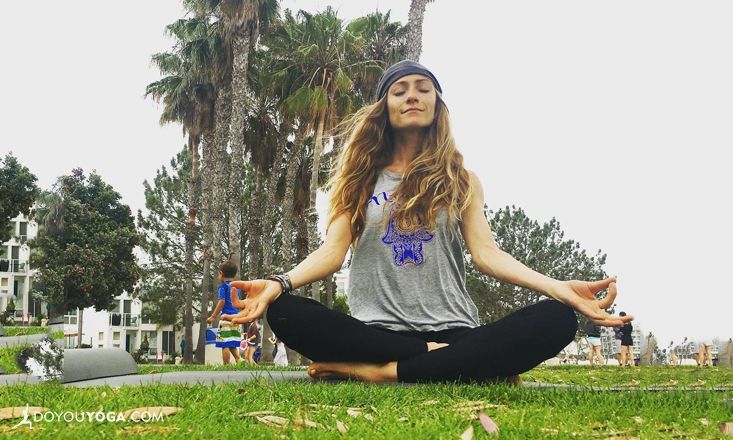
The word namaste which means ‘I bow to you’ is used in the Namaste yoga along with a hand gesture in which you put your hands together (palm to palm and fingertip to fingertip) and pointing upward while bowing your head while your eyes are closed. This gesture is used every beginning and end of each session.
Iyengar Yoga
The style of Iyengar yoga put emphasis on alignment. Basically, Iyengar can be described as staying in Tadasana (Mountain Pose), with a variation, such as a leg up. Even in seated poses, the alignment of the head, spine, hips, and feet are maintained to promote good practice, posture, and flow of energy. Unlike other types of yoga, Iyanger greatly encourages the use of props like pillows, blankets, blocks, chairs, and straps. This makes it a good entry point for beginners. Holding strenuous poses during this class will help increase flexibility and muscle strength. Iyengar Yoga is a great start for people who are overweight, ill, elderly, and those who are just not physically fit.
Raja Yoga
Unlike any other types of yoga, Raja is known as ‘The King of Yoga’ or ‘Royal Yoga’ and is more of a meditation. Its basic philosophy is to direct life force and bring the emotion and mind into complete balance and harmony. To make it less complicated, Raja Yoga promoted meditation and devotion in order to control and balance the mind.
Anusara Yoga
Anusara is very popular in the US, perhaps because the classes are fun, positive, and lighthearted. The workout is mainly on alignments, with a focus on the heart. Accompanying this is a strong philosophy that revolves around concepts of goodness in everything. Props help make the class accessible to people with different abilities in this especially welcoming environmen. This is one of the types of yoga that easily attracts open-minded people who want to work on their spiritual and physical well being.
Viniyoga Yoga
This is one of the types of yoga that leans more towards adaptation. Unlike other yoga styles, Viniyoga is usually practiced one-on-one, just as yoga used to be practiced in ancient times. The yoga teacher works with the student individually so that session is based on the student’s physical conditions (i.e. injuries, age, or illness). This practice makes yoga accesible to people who have physical limitations and can be very gentle and therapeutically beneficial.
Jivamukti Yoga
Jivamukti means “liberation while living.” As one of the modern types of yoga, Jivamukti Yoga is physically intense but invigorating, with each class revolving around a certain theme that can be discovered with the help of chanting, meditation, yoga script, pranayama, and music. It is a vigorously physical as well as intellectually stimulating practice that leads up to spiritual awareness. A great work out is always achieved in this class as well as a healthy dose of philosophy and chanting.
Kripalu Yoga
Similar to the Hatha yoga style, Kripalu is one of the more gentle types of yoga that comes with a compassionate approach while emphasizing meditation, spiritual transformation, and even physical healing of the self. It places a lot of focus on directing prana, or life force, through postures, breath and meditation. In this sense, it truly embodies the concept of yoga as meditation in motion. This type of yoga appeals to seniors and overweight people because of its individualized and gentle approach.
When searching for a yoga class to attend, it helps to understand the types of yoga styles out there. In a way, it’s a bit like trying to find your ideal mate; you might have to date around a bit and do your research before you dive in. But once you find your perfect match, everything will fall into place, and it could be incredibly life-changing. All you need to do is be open and willing to try.